
Gap Between Front Teeth (Diastema) in Mysore: Invisalign vs Bonding vs Veneers

A gap between the two upper front teeth — called a midline diastema — is one of the most common reasons adults in Mysore ask us about Invisalign. For some people it is a lifelong feature they have simply grown tired of hiding in photos. For others, it is a new gap that has slowly opened over the last few years.
Those two situations look similar in the mirror, but they are clinically very different. In this guide, Dr. Bhagyalakshmi Avinash explains why gaps form, why a newly appearing gap must be checked for gum disease first, and how to decide between Invisalign, composite bonding and porcelain veneers — so the gap you close stays closed.
1. Why Do Gaps Between Front Teeth Form?
A diastema is a symptom, not a diagnosis. Before choosing a treatment, we identify the cause, because the cause decides whether the result will be stable:
- Tooth-size discrepancy: the teeth are slightly small (or the upper lateral incisors are narrow, "peg-shaped", or missing) relative to the jaw, leaving spare space.
- A low, fibrous labial frenum: the band of tissue inside the upper lip attaches between the front teeth and can resist closure.
- Habits and tongue posture: tongue thrusting, prolonged thumb sucking or lip habits can push front teeth forward and apart.
- Normal childhood development: a gap in 7–10 year-olds (the "ugly duckling" stage) often closes on its own as the canines erupt — this one we usually monitor, not treat.
- Periodontal (gum) disease: loss of supporting bone allows front teeth to drift and fan outwards. This is the cause that must never be missed.
The Silent Warning Sign: A Gap That Appeared in Adulthood
"If a patient tells me their front teeth were together at their wedding and are now spreading apart, I do not think about cosmetics first — I think about bone," says Dr. Avinash B.S., periodontist. This drifting is known as pathologic tooth migration, and it is frequently associated with moderate-to-advanced periodontitis.
Moving teeth with aligners or covering the gap with veneers while gum infection is active can accelerate bone loss. At Dental Planet, every adult with a new or widening gap receives a periodontal charting and, where needed, X-rays. If gum disease is present, it is stabilised first (deep cleaning, and laser periodontal therapy when indicated) — and only then do we plan orthodontic closure.
2. Your Three Main Options Compared
| Factor | Invisalign (Move the Teeth) | Composite Bonding | Porcelain Veneers |
|---|---|---|---|
| How it works | Aligners gradually move teeth together | Tooth-coloured resin added to widen the teeth | Thin ceramic shells bonded to the front surfaces |
| Best for | Multiple gaps, larger gaps, gaps with crowding, flared teeth or bite problems | One small gap with otherwise well-aligned teeth that are slightly narrow | Gaps combined with discoloured, worn or misshapen teeth |
| Healthy enamel removed | None (minor polishing between teeth only if planned) | None or minimal | Usually some enamel preparation |
| Risk of "too wide" teeth | None — natural proportions kept | Yes, if the gap is large | Yes, if the gap is large |
| Time | Typically a few months to a year, depending on the case | Usually a single visit | Usually 2–3 visits |
| Fixes the underlying bite? | Yes | No | No |
Dr. Bhagyalakshmi's Rule of Proportion
Our upper central incisors look most natural when their width is roughly 75–80% of their height. Filling a 3–4 mm gap with bonding on two teeth can push them well past that ratio, creating "big square teeth". In those cases, we move the teeth first with aligners and, if needed, add a small amount of bonding afterwards to refine the shape. Every plan is previewed digitally before you commit — see our Digital Smile Design guide.
3. How Invisalign Closes a Diastema
Space closure is one of the most predictable movements for clear aligners. A typical pathway at Dental Planet looks like this:
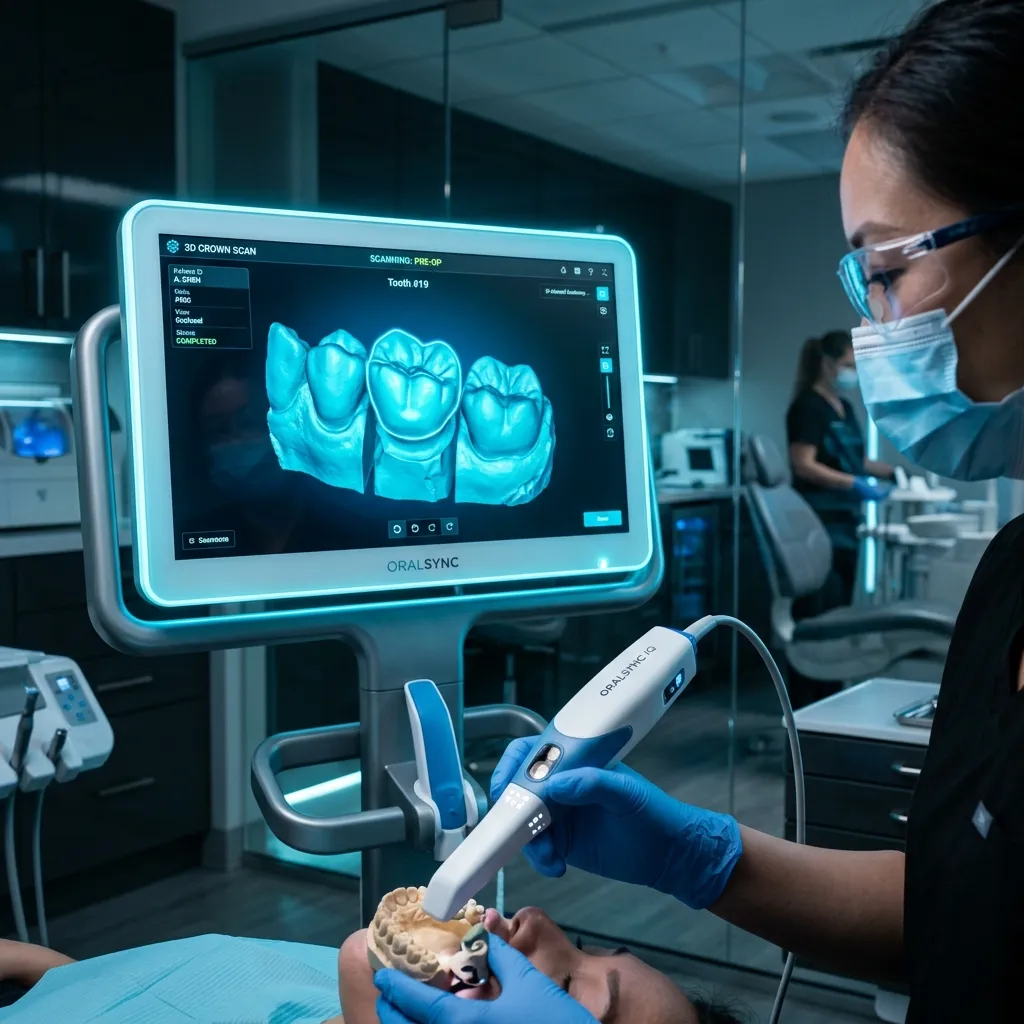
- Diagnosis: clinical exam, gum charting, X-rays as needed, and a radiation-free 3D iTero scan.
- ClinCheck® planning: Dr. Bhagyalakshmi designs the movement tooth by tooth and shows you the simulated final result.
- Aligner phase: trays are worn 20–22 hours a day and changed on schedule; small attachments may be used to control root position so the teeth close bodily rather than tipping.
- Frenectomy (only if indicated): when a fibrous frenum is contributing to the gap, a quick laser frenectomy is timed around closure.
- Retention: the most important step — see below.
4. Why Gaps Come Back — and How We Prevent It
Midline gaps have one of the highest relapse tendencies in orthodontics. The stretched gum fibres around the teeth, tongue pressure and the original cause all try to pull the teeth back apart. That is why we plan retention from day one:
- A thin bonded retainer wire behind the front teeth is commonly recommended after diastema closure, often combined with a removable night-time retainer. Read our comparison of fixed vs removable retainers.
- Habits such as tongue thrust are addressed alongside treatment.
- For patients with a history of gum disease, regular periodontal maintenance visits help keep the supporting bone stable.
5. 2026 Treatment Fees at Dental Planet Mysore
Fees below are from our published treatment catalog. The final plan and fee are confirmed only after examination:
- Composite midline diastema closure: ₹4,000 (regular fee)
- Laser frenectomy (if required): ₹3,500 (regular fee)
- Invisalign clear aligners: ₹1,50,000 – ₹3,50,000 depending on case complexity
- Gum treatment (if required before orthodontics): priced per quadrant as listed in the catalog
- October Invisalign VIP Pass: free 3D iTero smile scan + ₹10,000 Invisalign treatment credit (limited to 12 slots).
Frequently Asked Questions
Q1. Can Invisalign close a gap between my front teeth?
Yes. Space closure is one of the most predictable aligner movements. Small isolated gaps often close in a few months; gaps combined with crowding or bite problems take longer. A retainer is essential afterwards.
Q2. A gap has appeared in my 40s. Should I worry?
It should be checked promptly. A new or widening gap in adulthood can be a sign of gum disease and bone loss. We examine your gums before recommending any cosmetic or orthodontic option.
Q3. Is bonding or Invisalign better?
Bonding suits a single small gap with well-aligned teeth. For larger or multiple gaps, moving the teeth with Invisalign keeps natural tooth proportions. Many patients do best with aligners first and minimal bonding after.
Q4. Should my child's front-teeth gap be treated?
Often not yet. Gaps in children aged 7–10 frequently close as the permanent canines erupt. We monitor and only intervene if there is a missing tooth, an extra tooth, a habit, or a frenum problem.